Raynaud's Phenomenon

Raynaud's Phenomenon is characterized by episodic vasospasm of arterioles, typically affecting the fingers and toes in response to cold or emotional stress. It causes color changes in the skin, progressing from pallor (vasospasm) to cyanosis (ischemia) and then erythema (reperfusion).

Ayurvedic Perspective on Raynaud's Phenomenon

In Ayurveda, Raynaud's Phenomenon is primarily associated with an imbalance in the Vata dosha, which governs circulation and the nervous system. The aggravated Vata leads to excessive constriction of blood vessels (vasospasm), causing reduced blood flow to the extremities. The cold and stress triggers are seen as factors that further disturb the Vata dosha.
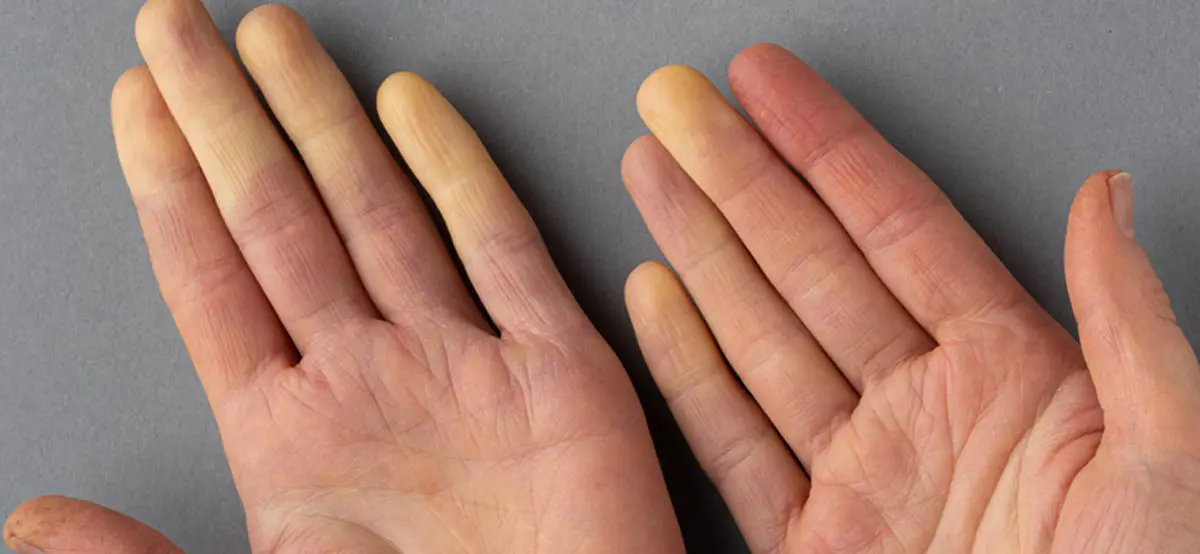
Raynaud's Phenomenon

Causes in Ayurveda

  • Vata Imbalance: Aggravation of Vata due to factors like cold exposure, stress, and irregular lifestyle habits.
  • Ama (Toxins) Accumulation: Poor digestion and metabolism lead to the buildup of toxins (ama) that obstruct the channels (srotas), affecting blood flow.
  • Ama (Toxins) Accumulation: Poor digestion and metabolism lead to the buildup of toxins (ama) that obstruct the channels (srotas), affecting blood flow.
  • Secondary Factors: Underlying conditions like autoimmune diseases and occupational factors can worsen the Vata imbalance.

Diagnosis and Clinical Criteria:

Diagnosis in Ayurveda involves a comprehensive evaluation of the individual's doshic constitution and the presence of symptoms indicating Vata imbalance and ama accumulation.

  • Nadi Pariksha (Pulse Diagnosis): Assessing the balance of doshas through pulse diagnosis to identify Vata aggravation and ama.
  • Prakriti Analysis: Understanding the patient's inherent constitution (Prakriti) and how it influences their susceptibility to Vata imbalance.
  • Ahara-Vihara (Diet and Lifestyle) Assessment: Evaluating dietary habits, lifestyle, and environmental factors that contribute to the condition.
  • Clinical Evaluation: Observing the characteristic symptoms such as episodic attacks of color changes, numbness, and pain in response to triggers like cold exposure and stress.

Ayurvedic Approach to Raynaud's Phenomenon

At esreveR Specialty Ayurveda Center, we focus on balancing the doshas and improving overall health through a personalized approach.

  1. Herbal Therapies: Utilizing herbs like Ginger (Zingiber officinale) and Guggulu (Commiphora wightii) to improve circulation and reduce Vata imbalance.
  2. Dietary Recommendations: Emphasizing warm, nourishing foods while avoiding cold or raw foods that can aggravate Vata.
  3. Lifestyle Modifications: Incorporating yoga, pranayama (breathing exercises), and warm clothing to protect against cold exposure.
  4. External Therapies: Applying warm herbal oils through Abhyanga (oil massage) and using Swedana (herbal steam therapy) to enhance circulation.
  5. Detoxification: Conducting Panchakarma therapies to eliminate toxins (ama) and restore balance in the body.

Combining insights from Ayurveda provides a comprehensive approach to managing Raynaud's Phenomenon. By addressing both the physiological aspects and doshic imbalances, patients can benefit from a more holistic treatment plan aimed at improving circulation, reducing symptoms, and enhancing overall well-being.

Discover the transformative benefits of Ayurvedic care at esreveR Specialty Ayurveda Center, where we are committed to your well-being and holistic health journey.