IgA Nephropathy (IgAN)

IgA Nephropathy (IgAN), also known as Berger's disease, is the most common form of glomerulonephritis (kidney inflammation) worldwide. This condition is characterized by the buildup of immunoglobulin A (IgA) in the kidneys, leading to inflammation and potentially progressing to chronic kidney disease (CKD).

Ayurvedic Understanding of IgA Nephropathy

In Ayurveda, IgA Nephropathy can be understood through the lens of dosha imbalance, specifically involving the three fundamental energies: Vata, Pitta, and Kapha. The accumulation of ama (toxins) and the disruption of these doshas lead to the manifestation of kidney inflammation and subsequent damage.
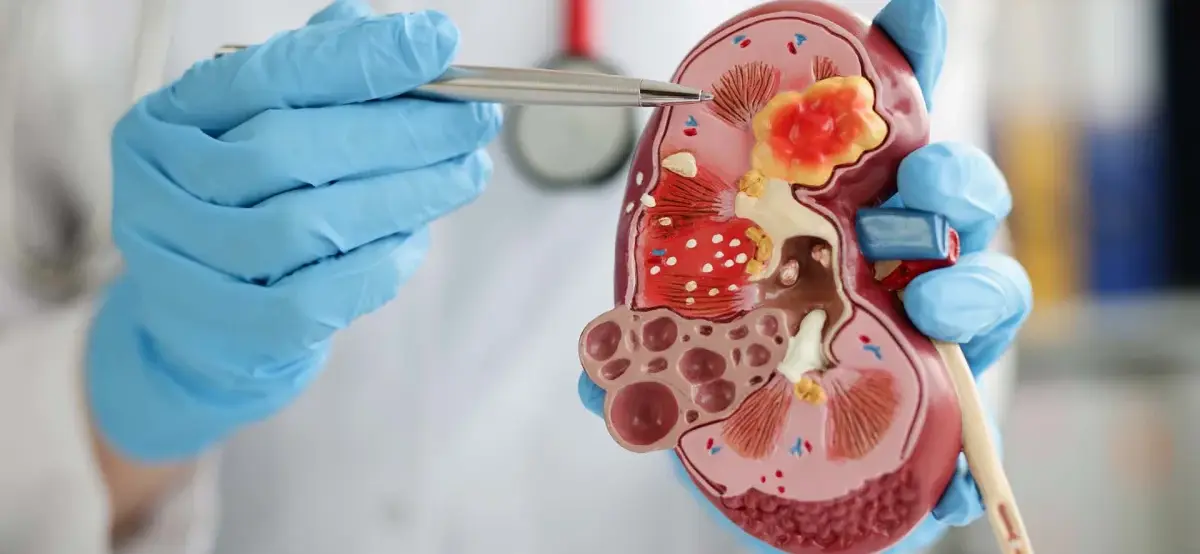
IgA Nephropathy (IgAN), also known as Berger's disease

Development of IgA Nephropathy in Ayurveda:

1. Dosha Imbalance:

  • Vata Imbalance: Disruption in Vata dosha can lead to improper functioning of the body’s channels (srotas), affecting kidney function.
  • Pitta Imbalance: Excess Pitta can cause inflammation and heat in the body, exacerbating kidney issues.
  • Kapha Imbalance: Increased Kapha can result in the buildup of mucus and toxins, contributing to kidney inflammation.

2. Formation of Ama (Toxins):

  • Digestive Issues: Poor digestion (agni) leads to the formation of ama, which accumulates in the body and particularly affects the kidneys.
  • Immune Response: The presence of ama can trigger an abnormal immune response, resulting in the buildup of IgA and subsequent inflammation.

3. Inflammation and Kidney Damage:

  • Aggravation of Doshas: The deposited immune complexes aggravate the doshas, leading to inflammation and kidney cell damage.
  • Rakta Dhatu Involvement: The inflammation primarily affects the rakta dhatu (blood tissue), causing symptoms like hematuria and proteinuria.

4. Progression to Chronic Kidney Disease:

  • Ongoing Inflammation: Continuous dosha imbalance and toxin buildup lead to chronic inflammation and scarring of the kidneys.
  • Systemic Impact: The prolonged kidney damage can influence other bodily systems, contributing to symptoms like high blood pressure and fluid retention.

Symptoms of IgA Nephropathy from an Ayurvedic Perspective

  • Rakta Mutra (Hematuria): Presence of blood in urine due to aggravated Pitta and Vata.
  • Proteinuria: Higher levels of protein in urine indicating severe kidney damage.
  • Uchha Raktachap (High Blood Pressure): Often results from chronic kidney issues.
  • Shotha (Swelling): Fluid retention, especially in the legs, feet, or around the eyes, due to Kapha imbalance.
  • Acute Kidney Injury: Sudden severe kidney problems may occur in some cases.
  • Chronic Kidney Disease: Gradual loss of kidney function over time.
  • Other Symptoms: Rarely, patients may experience abdominal pain, skin rashes, or joint pain.

Diagnosing IgA Nephropathy in Ayurveda

Diagnosis involves assessing the patient's dosha imbalance, ama accumulation, and overall health condition through:

  • Nadi Pariksha (Pulse Diagnosis): Evaluating the balance of doshas.
  • Mutra Pariksha (Urine Analysis): Checking urine for the presence of blood, protein, and other abnormalities.
  • Ashtavidha Pariksha: Eightfold examination including tongue, eyes, and skin analysis.

Ayurvedic Management of IgA Nephropathy

At esreveR Specialty Ayurveda Center, the management of IgA Nephropathy focuses on a holistic and individualized approach, emphasizing the balance of doshas, detoxification, and supporting kidney function:

  1. Detoxification: Procedures to eliminate toxins and balance the doshas.
  2. Herbal Remedies: Use of specific Ayurvedic herbs to support kidney health and reduce inflammation.
  3. Dietary and Lifestyle Modifications: Emphasis on a diet that pacifies the aggravated dosha and promotes overall health, along with lifestyle changes to maintain balance.
  4. Rejuvenation Therapies: Use of rejuvenative herbs to strengthen immunity and improve kidney function.

Ayurveda offers a comprehensive approach to managing IgA Nephropathy through detoxification, herbal remedies, dietary and lifestyle modifications, and rejuvenation therapies. Each treatment plan at esreveR Specialty Ayurveda Center is tailored to the individual's constitution and specific needs, ensuring holistic and effective management of the condition under the guidance of qualified Ayurvedic practitioners.