Lichen Planus Pigmentosus (LPP)

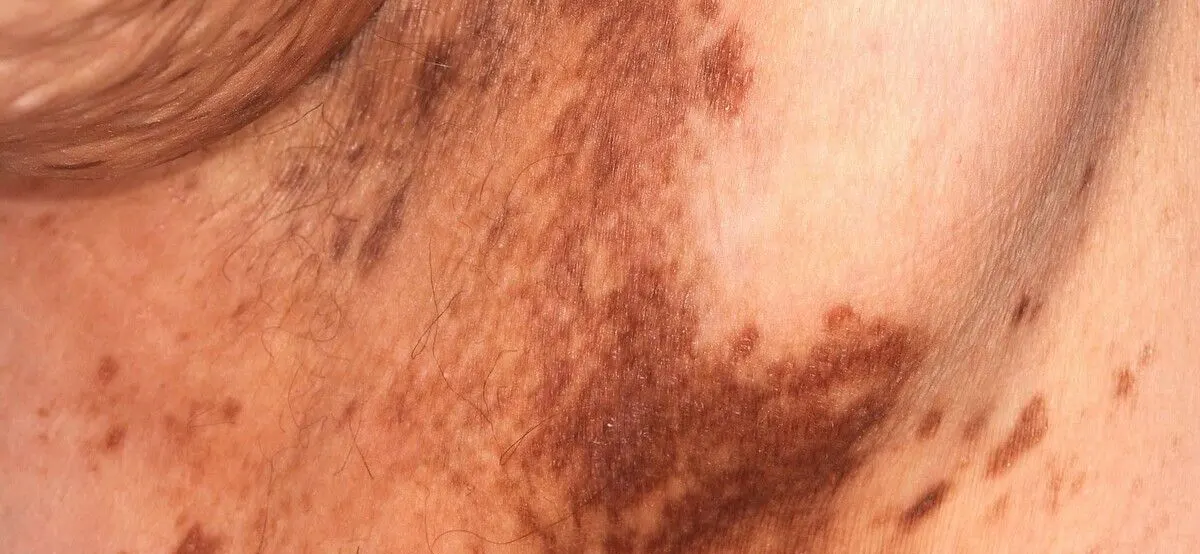
Lichen Planus Pigmentosus (LPP) is a rare skin condition characterized by dark brown to gray-brown patches that primarily appear on sun-exposed areas such as the face, neck, and limbs. It predominantly affects individuals with darker skin tones. Effective diagnosis and management are crucial for treating this condition using Ayurvedic principles.
Systemic Lupus Erythematosus (SLE)

Ayurvedic Perspective on Lichen Planus Pigmentosus (LPP)

In Ayurveda, LPP is considered a manifestation of Pitta and Kapha dosha imbalance. This imbalance leads to inflammation and the accumulation of toxins (ama) in the skin tissues, resulting in the formation of dark patches.

Clinical Features:

  • Skin Lesions: Dark patches develop due to aggravated Pitta and Kapha doshas, affecting the skin's natural balance.
  • Characteristics: Patches vary in size and shape, and may cause mild itching or burning sensations due to the underlying doshic imbalance.
  • Progression: Untreated, patches can spread and merge, affecting larger skin areas.

Diagnosis:

  • Ayurvedic Assessment: Diagnosis is based on assessing the doshic imbalance through pulse diagnosis (Nadi Pariksha) and examination of skin characteristics.
  • Observational Diagnosis: Recognition of the characteristic dark patches on sun-exposed areas.

Ayurvedic Treatments at esreveR

  1. Internal Medications: Herbal formulations targeting Pitta and Kapha doshas to detoxify the body and promote skin rejuvenation.
  2. External Applications: Herbal pastes or oils applied locally to reduce inflammation and improve skin texture.
  3. Dietary Guidance: Emphasis on cooling foods and Pitta-pacifying diet to support skin health.
  4. Sun Protection: Advice on using natural sunscreens and protective clothing to prevent aggravation of skin lesions.

Lichen Planus Pigmentosus (LPP) is effectively managed using Ayurvedic principles that address the root cause of doshic imbalance. Treatment at esreveR Specialty Ayurveda Center focuses on restoring skin health through internal herbal therapies, external applications, dietary adjustments, and preventive measures. This holistic approach not only alleviates symptoms but also promotes long-term skin rejuvenation and balance. Scheduled follow-up consultations to monitor progress and adjust treatment protocols as necessary based on Ayurvedic principles.