Which medicinal system is best for the treatment of celiac disease
Living with celiac disease can be frustrating. This autoimmune condition develops when you consume gluten, a protein found in wheat, barley, and rye, resulting in a variety of digestive issues. Although there is no cure, there are effective ways to manage it.
Modern medicine provides a clear path for effectively managing celiac disease, while homeopathy provides personalized remedies that may alleviate symptoms and improve your overall health. And ancient Ayurvedic wisdom can help you heal faster, digest better, and thrive more effectively.
In this post, we will look at how these diverse medicinal approaches can help you live a happier, healthier life.
Understanding Celiac disease
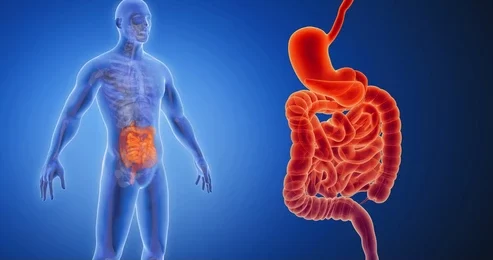
Celiac disease is an autoimmune disorder affecting mainly the small intestine. When people with celiac disease consume gluten-containing foods (such as bread and cookies), they experience a harmful reaction that destroys the walls of the small intestine. This immune response damages the small intestine’s lining, specifically the mucous membrane.
Once it gets damaged, it is unable to properly absorb nutrients, a condition known as malabsorption. This lack of nutrient absorption can result in malnutrition and other health issues. However, it can have a significant impact on children’s growth and development as well.
Symptoms of Celiac Disease
Celiac disease symptoms can vary widely. Additionally, they might differ between adults and children. Adults experience digestive symptoms such as:
- Diarrhea
- Fatigue
- Constipation
- Mood swings
- Bloating and gas
- Abdominal pain
- Irregular periods
- Nausea and vomiting
Children with celiac disease are more likely to have intestinal problems than adults, such as:
- Bloating or abdominal swelling
- Pale, foul-smelling faeces
- An upset stomach
- Vomiting
- Weight loss
While there is no permanent cure for celiac disease, you can try different medicinal systems to see which one works best for you.
Allopathic Medicine: Managing Celiac Disease
Allopathic medicine mainly focuses on evidence-based diagnosis and treatment. The initial diagnosis includes blood tests to detect specific antibodies such as tissue transglutaminase (Ttg) IgA, followed by endoscopy to confirm the diagnosis. The primary treatment involves a strict gluten-free diet, which means complete elimination of gluten. Further, to treat this, nutritional supplements are often recommended to address deficiencies related to iron, calcium, vitamin D, and other nutrients. Drugs such as azathioprine (Azasan, Imuran) and budesonide (Entocort EC, Uceris) are also suggested in the treatment process.
Along with it, additional medications may be prescribed to treat symptoms like dermatitis herpetiformis, an itchy skin condition that is associated with celiac disease. Regular follow-ups with healthcare providers are required to ensure dietary adherence and prevent complications.
Homeopathy: A Personalized Approach
Homoeopathy offers a complementary approach to celiac disease management. Homeopaths gather a comprehensive patient history that not only includes presenting symptoms but also the emotional state and overall constitution. Treatment modalities include the administration of ultra-diluted substances (remedies) that stimulate the body’s natural homeostatic mechanisms. Homeopathy treatment consists of highly diluted remedies that promote the body’s self-healing processes.
Lycopodium, Natrum Mur, and Silicea are some common remedies for celiac disease. In addition to treatment, homeopaths also advise adhering to a gluten-free diet. The benefits of homeopathy include personalized care and safe, gentle remedies with a low risk of adverse reactions. There is debate and skepticism about its scientific basis, as there is limited clinical evidence that proves homeopathy is effective in treating celiac disease. However, the effectiveness of homeopathic treatment varies greatly among individuals.
Ayurveda: A holistic approach to healing
Ayurveda provides a holistic and individualized approach to celiac disease management. The diagnosis involves evaluating a person’s distinct constitution (Prakriti) through techniques like pulse diagnosis (Nadi Pariksha) and Prakriti analysis. The treatment also focuses on dietary changes based on Pathya-Apathya principles, with a focus on consuming gluten-free grains like rice (Shali), millet (Jowar), and quinoa (Rajgira) and avoiding Viruddha Ahara (incompatible foods) and processed foods. Ayurvedic practitioners recommend consuming fresh, organic produce to boost overall health. In addition, herbal remedies such as Haridra (turmeric), Ashwagandha, and Yashtimadhu (liquorice) are used to reduce inflammation but also promote Agni (digestive fire) and gut health. It also consists of three alternative therapy purification procedures: Shankh Prakshalan, Kunjal Kriya, and Yog Vasti, followed by Ayurvedic medicines such as Haritaki Churna, Arogyavardhini Vati, Avipattikar Churna, Kamdudha Rasa, and Prawal Panchamrit Ras.
Simultaneously, Panchakarma which is a detoxification therapy, is involved, which includes Vamana (emesis), Virechana (purgation), Basti (medicated enema), Nasya (nasal administration), and Raktamokshana (bloodletting) to clean and balance the body. In addition, lifestyle changes such as Dinacharya (daily routines), Ritucharya (seasonal routines), Yoga, Dhyana (meditation), and Pranayama (breathing exercises) help to manage stress and improve overall well-being. Ayurvedic treatments aim to balance the body’s systems and improve the patient’s quality of life without relying on synthetic medications. This holistic approach addresses the root cause of the disease, provides natural, effective, and side-effect-free treatments, ensuring that each patient receives care depending on their specific constitution.
Conclusion
Celiac disease management requires a collaborative effort. Modern medicine sets the foundation with a gluten-free diet, followed by homeopathic remedies that are tailored to each individual’s symptoms and emotional needs. Simultaneously, Ayurveda provides supportive measures to promote healing, improve digestion, and boost your overall health Thus, by adopting the right approach and incorporating a gluten-free diet, you can achieve and maintain a healthy gut!