Complete reversal of Lichen Planus Pigmentoses - An Ayurvedic perspective
If you ask, “Is there a cure for lichen planus pigmentoses in Ayurveda?”, our answer is, “YES.”
Where a complete cure for LPP may not be achievable in modern medicine, Ayurveda assures the complete reversal of LPP. Ayurveda comes with the basic principles of doshas and helps reverse the condition, whereas, modern medicine focuses on controlling symptoms within an individual.
Let’s get into each of the following points in this blog.
- What are lichen planus pigmentoses in Ayurveda?
- Pathogenesis of LPP
- Manifestation of LPP
- Treatment of LPP in Ayurveda

What are lichen planus pigmentoses in Ayurveda?
A persistent, recurrent inflammatory rash, lichen planus is typified by small, flat-topped, multi-sided (polygonal) bumps that aggregate to form rough, scaly plaques over the skin. The mucous membranes of the mouth and vagina can also develop rashes.
The pigmentary dyschromia seen in lichen planus lesions ranges from brown-blackish to blue or purple-grey macules or patches.
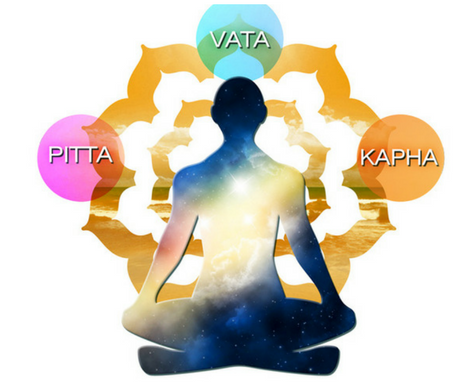
All skin conditions are referred to as kushta roga in Ayurveda. Lichen planus is similar to charma kushtha, which has vata, pitta, and kapha dosha aggravation, in terms of indications and symptoms. The skin gradually becomes discoloured, tough, and thick due to the vitiated dosha’s effects on blood circulation, skin, and tissue moisture levels.
Pathogenesis of LPP
Lichen Planus Pigmentoses (LPP) aetiology in Ayurveda can be comprehended by considering the concepts of dosha imbalance, accumulation of Ama (toxins), and inhibited Agni (digestive fire). Here is a thorough explanation of how, according to Ayurvedic principles, these factors affect the onset and course of LPP:
- Dosha imbalance:
- Pitta Dosha: An important factor in LPP is a Pitta imbalance. The heat, intensity, and sharpness associated with Pitta can manifest themselves as skin irritation, redness, and sensitivity. The development of skin lesions and pigmentary alterations observed in LPP can also be attributed to excess Pitta.
- Vata Dosha: An imbalance in vata can cause skin that is flaky, rough, and dry. Additionally, it might have an impact on the skin’s nutrition and circulation, which could lead to uneven and discoloured skin.
- Kapha Dosha: Although less frequently associated with LPP, an imbalance in this dosha can lead to stagnation and toxin buildup, which may affect how LPP presents itself.
- Ama:
- Impaired Agni: Inadequate digestion and metabolism of food due to weak Agni causes Ama to develop. The body circulates this poisonous waste, which finds its way into the skin and other tissues.
- Ama builds up in the deeper layers of the skin, blocking the channels (srotas) and affecting the skin’s normal processes. This buildup plays a part in the pigmentary alterations and inflammatory reactions typical of LPP.
- Srotas (Channels) Blockage:
- Rasa (plasma) and Rakta (blood) dhatus (tissues) might be depleted as a result of a protracted dosha imbalance and Ama accumulation, according to Ayurveda. The nutrition and vigour of the skin tissues are impacted by this loss, which results in the pigmentary changes seen in LPP.
- Circulatory Channel Stagnation: The regular movement of nutrients and waste products within the skin can be disrupted by the stagnation and obstruction of srotas (circulatory channels) caused by dosha imbalance and ama. This can exacerbate skin colour and inflammation.
Stages of Pathogenesis and Manifestation in LPP
- Sanchaya (Accumulation): Tridoshas start to accumulate in their respective sites, causing an initial imbalance. This occurs due to improper diet, stress, and lifestyle habits.
- Prakopa (Aggravation): This is when accumulated doshas start to overflow from their sites.
- Prasara (Spreading): The aggravated doshas, along with ama, start spreading throughout the body via blood channels.
- Sthana Samshraya (Localization): The dosha and ama localise in a specific tissue or organ.
- Vyakti (Manifestation): At this stage, an individual exhibits characteristic symptoms, which in this case are – scarring, itching, redness, etc…

- Herbal remedies:
- Internal herbs like neem, aloe vera, bhringraj, amalaki, etc., are used to balance doshas and their symptoms.
- External herbs like bhrami oil, bhringraj oil, neem oil, etc., are applied to the skin to improve circulation, nourish hair follicles, and reduce inflammation.
- Diet and lifestyle modifications:
- A balanced diet should prioritise items that soothe inflamed doshas, such as fresh fruits and vegetables, healthy grains, lean meats, and vegetables.
- Hydration: To assist with detoxification and hydration, sip warm water and herbal teas.
- Avoidance: Cut back on meals that can aggravate Pitta and Kapha, such as those that are spicy, oily, and processed.
- Other therapies to attain relief from symptoms:
- Nasya (Nasal Administration): The treatment of problems connected to the skin by applying therapeutic oils or herbal mixtures to the nasal passages.
- Shirodhara: A continuous application of warm herbal oils to the forehead that promotes healthy skin and calms the nervous system and mind.
- Herbal Pastes: To decrease inflammation and irritation, apply calming and cooling herbal pastes (such as sandalwood or turmeric) directly to the affected parts of the skin.
Treatment of LPP in Ayurveda
Lichen Planus Pigmentoses (LPP) is treated with Ayurveda, with an emphasis on balancing the doshas (Vata, Pitta, and Kapha), detoxifying the body to get rid of Ama (toxins), and maintaining good skin health. Below is a summary of the Ayurvedic therapy protocol for the management of LPP:
- Balancing doshas:
- Vata Dosha: To combat dryness and brittleness of the skin, place an emphasis on nourishing and moisturising therapies.
- Pitta Dosha: Put your attention on calming and cooling remedies to relieve skin irritation, redness, and burning feelings.
- Kapha Dosha: To control oiliness, reduce skin congestion, and encourage a healthy follicular environment, use detoxifying therapies.
- Removal of Toxins (Panchakarma):
- Vamana (Therapeutic Emesis): Clears the upper body of poisons and excess Kapha.
- Virechana (therapeutic purgation): To cleanse Pitta-related ama from the digestive tract.
- Basti (Medicated Enema): To remove deep-seated poisons from the colon and to balance Vata.

Wrapping Up
Ayurveda emphasises the need to reestablish dosha equilibrium and get rid of toxins from the body in its comprehensive approach to treating Lichen Planus Pigmentosus (LPP). Ayurvedic treatments try to reduce symptoms and enhance skin health organically using customised herbal remedies, detoxifying methods like Panchakarma, food changes, and lifestyle adjustments.
Ayurveda tackles skin pigmentation disorders and supports the body’s natural healing processes by addressing the underlying causes of LPP and promoting general well-being. Ayurvedic treatment programmes can be customised to each patient’s needs through routine consultations with knowledgeable practitioners, resulting in successful long-term management of Lichen Planus Pigmentosus.