How does Ayurvedic detoxification help in treating Lichen Planus Pigmentoses?
Lichen Planus Pigmentosus (LPP) can be identified as pigmented patches on the (twacha) skin, which can be frustrating. In simple terms, it is a chronic inflammatory skin disease that affects millions of people globally. This chronic inflammatory skin disease causes itchy, pigmented patches that leave a visible mark on people affected by it. While the exact root cause of LPP is unknown, some believe it is an autoimmune illness in which the body’s defensive system unintentionally harms healthy cells. While modern medicine focuses on dealing with LPP symptoms, Ayurveda takes a different approach to investigating it.
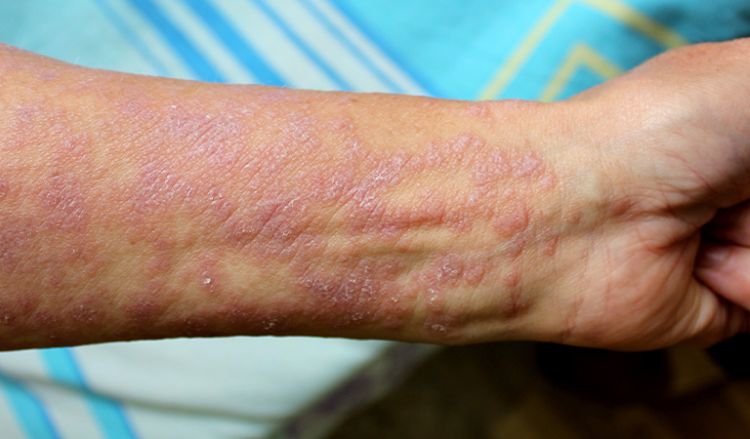
Ayurvedic Perspective of Lichen Planus Pigmentoses (LPP)
Ayurveda primarily focuses on identifying and resolving the root cause that may be contributing to the development of the disease. In this article, we will look at how Ayurvedic cleansing may be an effective strategy for controlling Lichen Planus Pigmentoses. Let us begin Ayurvedic practices state that LPP emerges as some kind of Kushtha (skin condition). This imbalance occurs mostly due to the vitiation of the Pitta and Vata doshas.
- Pitta Pradhana (Pitta Dominance): If pitta is dominant, the skin may appear reddish-brown or violaceous, and you may feel burning sensations (Daha).
- Kapha Pradhana (Kapha Dominance): Kapha dominance may lead to thicker, more pigmented patches that can be (Kandu) and annoying.
In Ayurveda, Ama is considered a sticky undigested residue and is considered to be the root cause of many disorders. However, in Lichen Planus Pigmentoses, ama accumulation can block the channels (srotas) that transfer nutrients and eliminate waste. This can result in the development of toxins in the blood (rakta dushti), worsening the doshas and causing infections of the skin (Twacha).
Detoxification of the body with Panchakarma
Panchakarma is not a one-size solution for all approaches. An Ayurvedic practitioner will evaluate your unique constitution (Prakriti) and identify the exact doshic imbalance that causes LPP to provide the best treatment options. These methods seek to remove accumulated toxins (ama), which can clog the body’s channels (srotas) and cause skin problems such as LPP. Here’s an evaluation of the five potential Panchakarma treatments and how they can help those suffering from LPP.
Vamana (Therapeutic Emesis): Vamana is a treatment for Kapha imbalances that includes controlled vomiting using a herbal combination under medical supervision. Its goal is to clear ama from the upper digestive tract, especially the stomach and lungs. By reducing the Kapha-dominant ama, Vamana can improve circulation and skin health, which might be effective in LPP.
Virechana (Therapeutic Purgation): This therapy for Pitta imbalances entails administering herbal purifiers under the supervision of a qualified practitioner. Its goal is to cleanse the lower digestive tract, that is the intestines, and remove accumulated ama. By eliminating Pitta-dominant ama from the intestines, virechana can minimize the inflammation and burning symptoms associated with LPP.
Basti (Medicated Enemas): Basti is a method of giving herbal decoctions or oils into the rectum to address doshic imbalances. Different basti varieties target certain parts of the body, which might have cleaning, nourishing, or calming benefits. Basti can help minimize ama from the lower digestive system and can increase overall circulation, which may enhance skin health in LPP patients.
Nasya (Nasal Administration): Nasya is used to treat Kapha imbalances in the head and nostrils. This is done by injecting therapeutic oils, herbal powders, or decoctions into the nostrils. This is intended to relieve congestion in the head and sinuses, remove ama from the upper respiratory tract, and boost the nervous system. By eliminating Kapha-dominant ama from the head and sinuses, Nasya can promote circulation to the skin, which can aid in the management of LPP and benefit overall well-being.
Rakta Moksha (Bloodletting): In certain circumstances, Rakta Moksha (Bloodletting) is utilized to remove a tiny amount of blood using treatments such as leech therapy, Siravyadha (Venesection) and Prachaana (Multiple Incisions). Rakta moksha may be used in specific circumstances to get relief from severe Pitta imbalances that contribute to the disease. While detoxification plays an important role in controlling LPP, it requires a comprehensive approach.
Conclusion
By looking at Lichen Planus Pigmentosus (LPP) from Ayurveda’s perspective we can identify a way to manage the disease that goes beyond symptom control. This ancient treatment mainly focuses on correcting the underlying imbalances in the body, notably vitiated Pitta and Vata doshas, as well as the formation of ama (toxins). With Ayurvedic detoxification therapies and dietary adjustments, one can balance the doshas and can improve swastha by addressing the root causes of imbalances that cause Lichen Planus Pigmentosus.