Clinical Features and Diagnosis of AGL in Ayurveda
In Ayurveda, human health depends on a harmonious balance of tissues (dhatus) and energy (doshas). But any imbalance in it can lead to dry skin, joint aches and you might not have as much energy as before. Modern medicine calls this condition as Acquired Generalized Lipoderstrophy (AGL). But, according to Ayurveda, our ancient Indian system of medicine Acquired Generalized Lipodystrophy (AGL) is known as Medorog. Generally, it is a rare illness in which the body gradually loses meda dhatu (adipose tissue).
It mainly focuses on maintaining the overall balance within the body. If meda levels go too low, it can lead to a whole host of problems similar to the symptoms of AGL. But, before moving further, let us have a look at the ayurvedic perspective of Acquired generalized liposystrophy (AGL)
Ayurveda’s Perspective on Agl
Within our bodies, there are seven dhatus (tissues) and each of them works together and plays a significant role. Meda dhatu is a nourishing fatty tissue , helps in maintaining the body’s energy reserves and supports metabolic functions. It is like the soil, giving stability, and lubrication, and helps in healthy agni (digestive fire).
Like any other part of the body, Meda can also become imbalanced. This imbalance in Ayurveda is known as kshaya, which corresponds to depletion. And, this Meda depletion (meda kshaya) can resemble the following AGL symptoms:
Ruksha Twacha (Dry Skin): When Meda deficiency occurs it can result in dry, flaky, and rough skin. You can imagine a vibrant flower dying due to a lack of water.
Sandhi Shoola (Joint Pain): As the cushioning effect of meda decreases your joints may become stiff and painful.
Bala Kshaya (Decreased Strength): Meda deficiency can cause muscle weakness and loss of stamina, known as Bala Kshaya. You may feel very tired or not as energetic as before.
Agni Mandhya (Weakened Digestive Fire): Agni is responsible for breaking down the food into nutrients. A weak digestive fire (agni mandhya) could affect the body’s capacity to digest the food. And, this will not provide the right nutrients to your body.
Diagnosing AGL in Ayurveda
In Ayurveda, the diagnosis is done through a comprehensive examination (pariksha) by a skilled Ayurvedic practitioner. This inspection consists of multiple phases.
Drishya Pariksha (Visual Examination): Firstly, an Ayurvedic practitioner will examine your general health and detect symptoms of meda kshaya. This might include checking for skin dryness, muscular weakness, and any other symptoms of exhaustion.
Sparsha Pariksha (Touch Examination): In this examination, the practitioner will gently feel your body (sparshana) to check skin quality, muscle tone (bala), and joint discomfort or stiffness.
Shabda Pariksha (Sound Examination): The practitioner will analyze your voice and breathing patterns to assess your general health. Your speech and breathing patterns will reveal underlying imbalances.
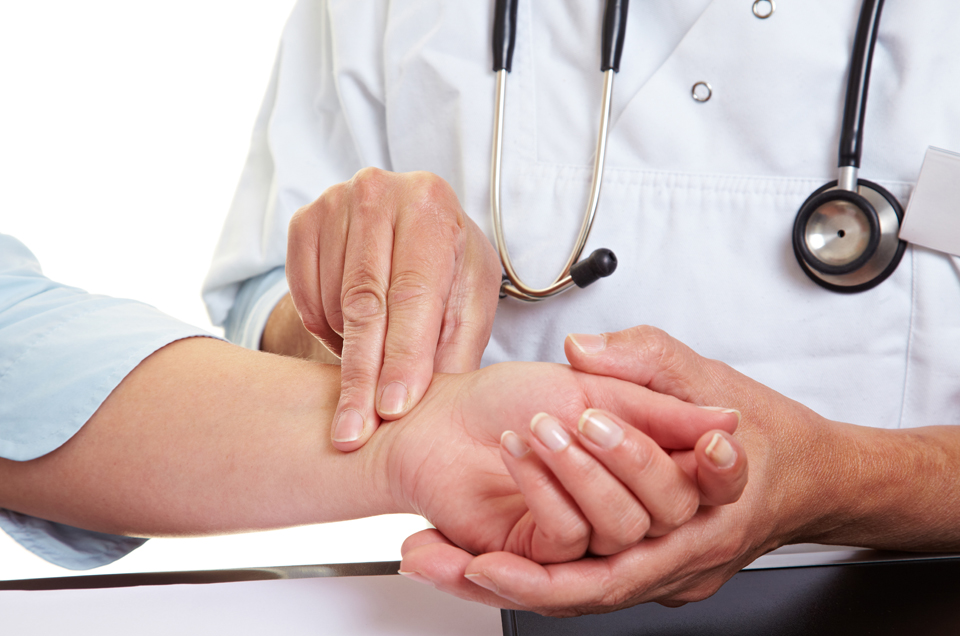
Guna Pariksha (Quality Examination): The practitioner will examine your skin (twacha), tongue (rasna), and pulse (nadi) to determine digestion (agni) and ama dosha.
Ayurvedic Principles For AGL Treatment
Ayurvedic treatment for AGL focuses on balancing Vata and Pitta and repairing the Meda dhatu.
Shodhana (Purification): In your body, the accumulated poisons (ama) could block the digestive fire (Agni) and prevent meda production. However, a simple detox treatment (panchakarma) can help you eliminate these poisons, providing a fresh start for recovery.
Shamana (Pacification): Once the paths are clear, certain herbs become our companions. Bala (Sida cordifolia), a medhya rasayana, nurtures and strengthens the meda.
Ashwagandha (Withania somnifera), an agni deepaka herb, can stimulate the digestive fire, resulting in improved nutritional absorption and meda production. You can also include Shatavari (Asparagus racemosus), that helps in healthy tissue formation, and Triphala (Amalaki, bibhitaki, and haritaki), which are effective cleansers that improve your overall wellness.
Ahara (Diet): Our dietary choices are the fuel for Meda. Ghee, almonds, and nuts are excellent sources of
healthy fats that nourish the meda dhatu. Kitchari (a rice and lentil dish) along with light proteins can help in easy digestion.
Dinacharya (Daily Routine): Developing a healthy dinacharya via good sleep, a balanced diet, and mild exercise like yoga postures (asanas) helps in the regulation of Agni and enhances general health.
Yoga and pranayama: Certain yoga positions, such as twists (vakrasana) and forward bends (paschimottanasana), can help in activating the agni. Similarly, breathing exercises such as kapalbhati and anulom vilom can purify the respiratory system and assist in detoxification.
Conclusion
Ayurveda may stimulate the body’s natural healing processes and assist the regeneration of healthy meda dhatu by treating the underlying cause of the Meda imbalance (meda kshaya) through a mix of dietary changes, herbal medicines, and lifestyle practices. It provides a framework for understanding the clinical characteristics of AGL and alleviating its symptoms. By taking into account the kshaya of meda dhatu, srotas dushti, and agni mandhya, Ayurvedic practitioners will develop a personalized strategy to treat the root cause of the imbalance and promote a speedy recovery.