Ayurvedic view on Acquired Partial Lipodystrophy (APL)
Acquired Partial Lipodystrophy (APL) is a rare and complex disorder that causes fat loss in certain parts of the body. And, its effects are visible on the face, neck, arms, and upper torso. APL affects around one in every 12 million people and often develops in early childhood or adolescence. However, the exact cause is still unknown but APL is often associated with autoimmune disorders, hormone abnormalities, and genetic disorders.
While modern medicine cannot determine the exact cause, Ayurveda, an ancient Indian healing method, provides a holistic perspective. This traditional method believes that APL can arise from an imbalance in the body, or doshas affecting the overall health. So, let us look at Ayurveda views and its potential ways to manage Acquired Partial Lipodystrophy (APL). Let us begin
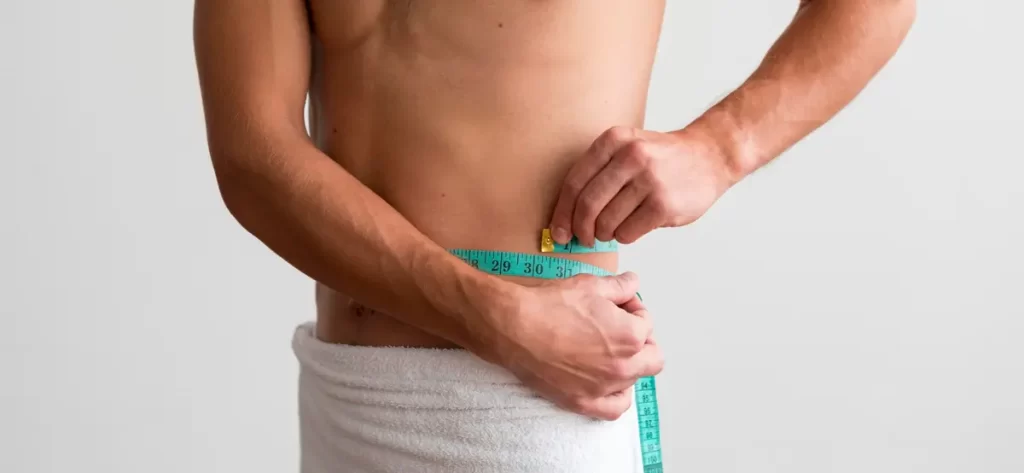
Understanding Acquired Partial Lipodystrophy (APL).
Acquired Partial Lipodystrophy (APL) is a challenging condition that results in the gradual loss of fat under the skin in certain parts of the body. It is mainly observed on the face, neck, arms, and upper torso, hence these are considered as the primary affected areas. While the actual cause of APL is still unknown, research points towards several underlying causes for APL. This includes:
- Autoimmune dysfunction: Research indicates that the immune system of people affected by APL targets and destroys fat cells.
- Hormonal imbalances: Hormonal abnormalities, especially in fat metabolism, may contribute to the development of this condition.
- Genetic predisposition: While APL is not a genetic disorder, family history may increase the possibility.
APL usually begins in childhood or adolescence, however, it can also appear later in adulthood. Fat loss usually occurs gradually, with symptoms developing over time.
APL’s Pathophysiology in Ayurveda
As discussed above, APL is characterized by the depletion of meda dhatu (fat tissue), particularly in Vata-governed regions. However, Fat cell degradation can occur due to ama (toxins) accumulation, which is exacerbated by Vata and Pitta doshas, resulting in autoimmunity.
The autoimmune characteristics of APL are linked to ojokshaya (depletion of Ojas). Ojokshaya is among the vital essences that are responsible for immunity and overall strength in the body. When Ojas is depleted, the body’s ability to protect itself from internal and external infections decreases, leading to disorders such as APL.
Ayurvedic Diagnosis Of APL
In Ayurveda, the diagnosis of APL comprises a thorough examination of the patient’s prakriti (constitutional type), vikriti (present state of imbalance), doshic involvement, and Ama status. While performing diagnosis specific symptoms, such as fat loss, skin texture changes, and the presence of immune-related symptoms, are examined.
- Nadi Pariksha (Pulse Diagnosis): Examining the pulse can help to identify abnormalities in the doshas, particularly Vata and Pitta.
- Observation and examination (Darshana and Sparshana): Visual and tactile examination is done on the affected areas to detect fat loss and associated symptoms like inflammation or discolouration.
Ayurveda's Understanding of APL
In Ayurveda, APL can be described as the three major physiological principles or doshas: Vata, Pitta, and Kapha.
Ayurveda believes that an imbalance or vitiation of these doshas can result in a variety of health problems, including those involving fat metabolism and distribution.
Vata Dosha Imbalance
According to Ayurveda, Vata dosha is responsible for mobility, flexibility, and nervous system functioning.
An imbalance or vitiation of the Vata dosha might affect the regular distribution and metabolism of fat cells. Further, this could emerge as a selective loss of fat from the upper body, mainly observed in APL.
Pitta Dosha Imbalance.
Pitta dosha manages the body’s metabolic processes, which include nutrient conversion and utilization.
An imbalance in Pitta dosha may contribute to the unusual breakdown and redistribution of fat tissues, resulting in the distinct fat loss patterns noticed in APL.
Kapha Dosha Imbalance
Kapha dosha is in charge of the body’s structural and lubricating functions which includes the preservation of fat tissues.
An imbalance or derangement in Kapha dosha can significantly affect the normal fat metabolism and distribution, thereby resulting in the development of APL.

Ayurvedic Approach Towards Managing APL
The Ayurvedic approach to APL management focuses on restoring dosha balance and addressing the underlying imbalances.
1. Dietary Recommendations: Ayurveda recommends a nutritious, easy-to-digest diet depending upon one’s constitutional type (Prakriti). A nutritious diet rich in proteins, carbohydrates, and healthy fats can help with fat metabolism and distribution.
2. Lifestyle Modifications: Ayurveda promotes a balanced lifestyle with daily exercise, appropriate sleep, and stress-management practices including meditation, yoga, and deep breathing exercises like pranayam.
3. Herbal Remedies: Your Vaidya will offer herbal remedies to restore dosha balance and encourage healthy fat metabolism. Guggulu, Triphala, and Ashwagandha are some of the common herbs often used to treat APL.
4. Ayurvedic Therapies: Panchakarma, a series of purification and detoxification procedures, can help to address the imbalances and promote natural healing.
Conclusion
Acquired Partial Lipodystrophy (APL) is a rare and complex disorder and Ayurveda describes it as an imbalance of the body’s vital energy, or doshas. However, Ayurveda provides a holistic approach to disease management by identifying the underlying cause of the imbalance.
While conventional medicine is still addressing the complexities of APL, on the other hand, Ayurveda offers an alternative approach and potential possibilities for healing APL. It mainly tries to restore body equilibrium and promote natural healing by providing personalized food recommendations, lifestyle changes, herbal remedies, and purifying techniques. In the end, it is important to get in touch with a Vaidya for personalized remedies to one’s specific Prakriti.