What is Duchenne Muscular Dystrophy in Ayurveda?
Did you know that in Ayurveda, diseases that occur from birth are called ‘Beejabhaga avayava dushti’ (chromosomal or genetic abnormalities). Generally, these are a group of diseases that lead to progressive muscular weakness and mass. Pindaja Rakta Pradoshaja Vyadhi is an Ayurvedic term that is mainly referred to for muscular dystrophy. Generally, it is characterized by gradual muscle weakening and degeneration.
And here, Mamsa Dhatu Kshaya is the cause of muscular weakness and limited growth. Dystrophy Muscular Dystrophy (DMD) is a progressive genetic condition mainly affecting men and can result in muscular weakening and degradation. While there is no direct treatment in Ayurveda, this condition can be linked to specific principles and concepts.
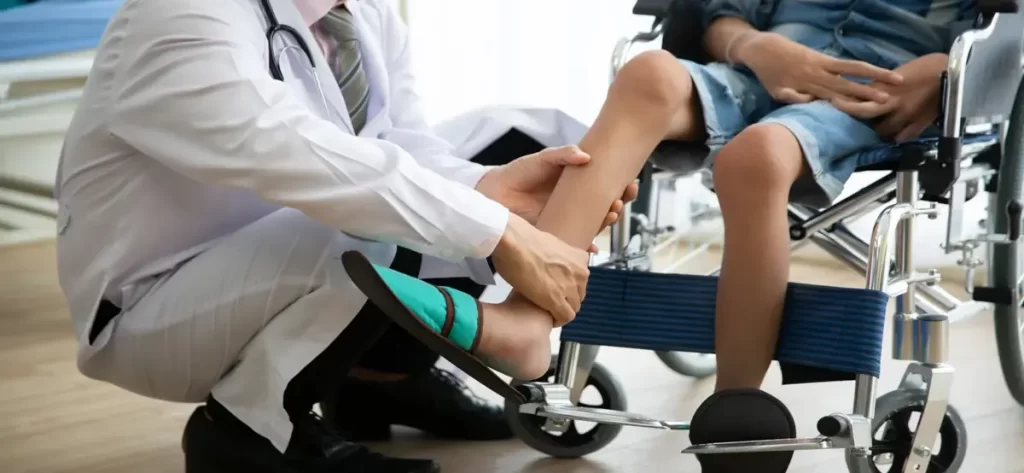
Ayurveda’s Perspective on Muscular Dystrophy
Pindaja Rakta Pradoshaja Vyadhi is the Ayurvedic term for muscular dystrophy, defined as gradual muscle weakening and degeneration. This mainly refers to a disease that originates in the Pinda (physical body) and is impacted by the vitiation of the Rakta (blood) and Pradosha (toxins).
- Pindaja: Pindaja represents a tangible manifestation.
- Rakta: It refers to a disruption in the blood supply to the muscles.
- Pradoshaja: These are toxins (Ama) that may accumulate due to poor metabolism.
Further, this disease progresses through a gradual disruption in the body’s core elements:
- Beeja Dosh: The initial impairment begins at the reproductive essence level, causing qualitative and quantitative changes. This is similar to the genetic mutations that cause muscular dystrophy.
- Rakta Dushti: The vitiated Beeja impairs the quality and affects the capacity of Rakta (blood) to carry nutrients to the muscles.
- Mamsa Dhatu Kshaya: A deficiency in Rakta causes muscular tissue to deplete and weaken due to a lack of nutrients.
- Vata Prakop: Mamsa Dhatu deficiency can worsen Vata Dosha, resulting in dryness, roughness, and difficulty in movement.
Ayurvedic Classification
Based on the primary dosha involvement and clinical presentation, muscular dystrophy can be classified into:
- Vataja Prameha: The symptoms are primarily associated with Vata imbalance leading to dryness, roughness, and muscular weakness.
- Kaphaja Prameha: The symptoms of Kapha imbalance include muscular heaviness, stiffness, and oedema.
- Pittaja Prameha: Symptoms of Pitta imbalance include burning sensations, inflammation, and muscular pain.
Clinical Manifestations
Muscular dystrophy is classified into several forms, each with a different level of severity and progression. However, below is a list of common Ayurvedic signs and symptoms. They are as follows:
- Mamsa Kshaya: Causes muscular exhaustion and weakness.
- Sandhi Graha: It is characterized by joint stiffness and pain in joints.
- Chardi Gata: Leads to difficulty while walking, running, and jumping.
- Utkramashrama: Difficulty rising from seated or lying positions.
- Pindadosha: Results in weakness in the body and exhaustion.
- Bala Hrasva: Results in impaired growth and development.
- Medo Vriddhi: Abnormal fat buildup, such as pseudo-hypertrophy in calf muscles.
- Mana Pradosha: It refers to mental dullness and learning problems.
Ayurveda’s Management on Muscular Dystrophy
Ayurveda considers muscular dystrophy, which is gradual muscle weakness, to be a Mamsagata Vata disease in which the Vata dosha becomes worse inside muscle tissue. However, panchakarma, which is a deep cleansing and rejuvenation therapy, provides supportive care by treating root causes.
1. Abhyanga: Oleation Therapy
Abhyanga, or the systematic use of medicinal oils, is essential for treating Mamsagata Vata. It nourishes dry, depleted muscular tissue, increases circulation, and reduces stiffness. These oils come with Vata-balancing characteristics, such as sesame or coconut oil infused with herbs like Ashwagandha and Bala, which are helpful.
2. Swedana - Sudation Therapy
Swedana, or fomentation, helps to penetrate the medicinal oils deeper into the tissues. It relaxes muscles, decreases stiffness, and improves circulation. Sweda, a form made from rice boluses, is very useful because of its Brimhana (nourishing) characteristics. The moist heat of this therapy is very efficient in penetrating the skin and treating the muscular tissues.
3. Basti: Enema Therapy
Basti, a therapeutic enema, is important for cleaning the colon and increasing the body’s ability to absorb nutrients. Mustadi Rajayapana Basti, which contains meat extracts or bone marrow, is believed to be useful for Mamsagata Vata. Simultaneously, the Tikta (bitter) taste of this formulation helps to remove Srothorodha (obstructions in microchannels) and promotes nutrient absorption.
Key Therapeutic Actions
- Vata Shamana: Relieves exacerbated Vata dosha.
- Mamsa Poshana: Restores deficient muscular tissue.
- Srotoshodhana: Cleanses the channels for better circulation.
- Dhatu Samvardhana: Strengthens bodily tissues, including Mamsa (muscle).
Note: While Panchakarma has several advantages, it should only be used under the supervision of a skilled Vaidya.
Perks of Ayurvedic Treatment for Muscular Dystrophy
While muscular dystrophy is a chronic disorder, Ayurvedic treatment aims to ease symptoms and enhance quality of life. The potential benefits include:
- Mamsa Bala Vardhana: Improved muscular strength and functionality
- Sandhi Sukha: Relieves joint pain and stiffness
- Prana Samvardhana: Enhances respiratory function
- Gati Sudharana: Improves mobility and walking
- Mana Prakasha: Promotes mental clarity and attention
- Agni Deepana: Boosts metabolic fire and increases energy levels
Conclusion
In conclusion, Ayurveda provides a comprehensive approach to managing muscular dystrophy by addressing the root causes of imbalances and weakness. Ayurveda incorporates therapies such as massage, heat treatments, and detoxification to increase muscular strength, relieve pain, and promote overall well-being. However, with effective supplements and traditional therapies, Ayurveda provides relief and support to individuals suffering from this disorder.