Complete Understanding of Landau-Kleffner Syndrome (LKS) in Ayurveda
Landau-Kleffner syndrome (LKS) is a rare childhood neurological disorder with acquired aphasia, i.e., the inability to understand or express language, and an abnormal electroencephalogram (EEG). This condition affects the parts of the brain that control comprehension and speech, i.e., Broca’s and Wernicke’s areas. Typically, children with LKS develop normally before losing their linguistic skills. While many affected people experience clinical seizures, others simply have electrographic seizures, such as electrographic status epilepticus of sleep (ESES). The first sign of a language issue is usually auditory verbal agnosia.
In Ayurveda, LKS can be understood through the lens of doshic imbalances, particularly those involving vata dosha. Vata dosha is associated with neurological disorders. When vata is vitiated, the functioning of Majja Dhatu (which refers to bone marrow and nerve tissue) is affected, leading to neurological complications. This shows symptoms like tingling, numbness, spasms, convulsions, joint pain, forgetfulness, and poor memory. As Landau-Kleffner syndrome (LKS) is a neurological disorder, let’s understand how Ayurveda sees neurological disorders and further elaborate on LKS specifically.

Ayurvedic understanding of neurological disorders
1. Imbalance in vata dosha
Vata dosha governs the nervous system and brain functions. An imbalance in Vata, particularly Prana Vata (which controls higher mental functions), can lead to disruptions in speech, comprehension, and cognitive abilities. This is because the Murdha, the major seat of the Prana Vata, governs practically all bodily activities by producing motor impulses after integrating sensory impulses from throughout the body.
2. Accumulation of ama (toxins)
Ama, or undigested metabolic waste, can accumulate in the body due to poor digestion and lifestyle choices. Ama can obstruct the srotas, the channels through which nutrients and waste products move. In neurological health, blockage of these channels can disrupt the flow of Prana (vital life force) and other essential nutrients to the brain and nervous system.
- Ama, when combined with Vata dosha, can lead to the creation of a more toxic substance known as Sama Vata. This aggravates neurological issues, as Vata governs the nervous system’s functions.
- The tissue responsible for the nervous system can become impaired due to the presence of Ama. This leads to weakened nerve function, poor cognitive abilities, and various neurological symptoms.
- Ama is associated with inflammation and oxidative stress within the body. Chronic inflammation and oxidative damage can degrade nerve cells and brain tissue, contributing to the development and progression of neurological disorders.
3. Ojas depletion
Ojas is the essence of all bodily tissues that maintain overall health and vitality, including mental and emotional stability. Depletion of Ojas due to chronic stress, poor nutrition, or illness can weaken the nervous system.
- Reduced Ojas can lead to impaired memory, difficulty concentrating, and slower cognitive processes.
- Lower levels of Ojas make the nervous system more susceptible to stress, leading to anxiety, restlessness, and emotional instability.
- A decrease in Ojas weakens the immune system, making the body more prone to infections and inflammations that can affect the nervous system.
- Chronic fatigue and general weakness are common symptoms of low Ojas, affecting physical and mental energy levels.
- Ojas depletion often results in disturbed sleep patterns, which further exacerbate neurological issues.
4. Dhatu kashaya (tissue depletion)
Depletion or weakness of the Dhatus (body tissues), especially the Majja Dhatu (bone marrow and nervous tissue), can result in weakened nerve function and neurological symptoms. Factors contributing to Dhatukshaya include poor nutrition, chronic illness, and excessive physical or mental exertion.
5. Mental and emotional factors
Psychological stress, trauma, and emotional disturbances can aggravate Vata dosha and contribute to neurological issues. In children, high levels of stress and trauma can impact brain development and function, potentially leading to conditions like LKS.
6. Imbalances in mental gunas (qualities)
Rajas (activity, restlessness) and Tamas (inertia, ignorance) imbalances can lead to mental disturbances, affecting clarity, cognition, and speech. An excess of Rajas can cause hyperactivity and anxiety, while an excess of Tamas can result in lethargy and confusion.
Ayurvedic Perspective on Neurological Symptoms Similar to LKS
1. Speech Disorders:
Difficulty in articulation, loss of language skills, and other speech-related issues can be linked to an imbalance in Vata, particularly Prana Vata.
2. Cognitive Impairment:
Problems with comprehension, memory, and cognitive functions can be associated with both Vata imbalance and depletion of Majja Dhatu.
3. Seizures and EEG abnormalities:
Seizure activity and abnormal EEG findings in LKS can be understood in Ayurveda as severe Vata disturbances and blockage of the channels (srotas) that facilitate neural communication.
Ayurvedic management and treatment of LKS
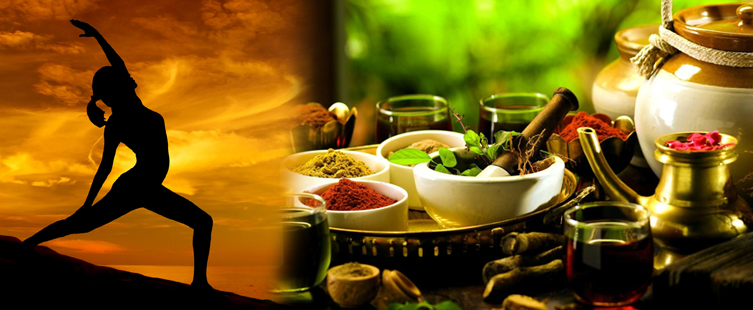
The main focus of the treatment of LKS in Ayurveda is the balancing of doshas, strengthening of Majja dhatu, enhancing ojas, supporting mental balance, and purification/detoxification of the body.
Ayurvedic treatment of LKS | Therapies |
Balancing doshas | Diet: Emphasize warm, nourishing foods like soups, stews, and cooked grains. Avoid cold, dry, and raw foods. Herbs: Use herbs like Ashwagandha, Brahmi, and Shatavari to calm Vata and support the nervous system. Lifestyle: Establish a routine, ensuring adequate rest and incorporating stress management practices like yoga and meditation. |
Detoxification by panchakarma | Virechana (purgation): helps remove toxins and balance Pitta dosha. Basti (enema): Effective for Vata disorders, it helps in nourishing and stabilizing the nervous system. Nasya (nasal administration): administering medicated oils through the nose to clear and nourish the channels in the head and neck region. |
Strengthening Majja dhatu | Nutritive Foods: Include milk, ghee, almonds, and sesame seeds in the diet. Herbal Formulations: Use Brahmi Ghrita and Kalyanaka Ghrita to support Majja Dhatu and cognitive functions. |
Enhancing ojas | Ojas-building foods: consume ghee, almonds, and other nutrient-dense foods that build Ojas. Rejuvenation Therapy (Rasayana): Use herbs like Amalaki, Guduchi, and Brahmi for overall vitality and strengthening of the nervous system. |
Supporting mental balance | Herbs for Mental Clarity: Utilize herbs like Brahmi, Shankhpushpi, and Jatamansi to enhance mental clarity and reduce stress. Sattvic Lifestyle: Engage in practices that promote balance and purity, such as meditation, yoga, and spending time in nature. |
Consultation with an Ayurvedic practitioner
It’s important to consult a qualified Ayurvedic practitioner to tailor the treatments based on the individual’s constitution (Prakriti), the specific imbalances (Vikriti), and the severity of the condition. They can provide a personalized treatment plan that includes specific herbs, therapies, diet, and lifestyle recommendations.