Role of Ayurveda in the Management of Sjogren's Syndrome
Do you suffer from any kind of uncomfortable dryness in your eyes, mouth, or other areas of your body? These might be the symptoms of Sjogren’s syndrome. While modern medicine focuses on genetics and the environment, Ayurveda takes a different approach. The global prevalence of Sjogren’s syndrome is still unclear; however, German researchers claim that it affects around 0.2% of the adult population in the world. The study discovered that women are around 20 times more likely than males to be impacted by the disease.
According to Ayurveda, this dryness is known as Jeerna Rukshata. It happens due to an imbalance in the Vata dosha, which regulates movement and dryness in the body. Thus, Ayurveda lets us focus on restoring balance and perhaps managing the disease. In Ayurveda, Sjogren’s syndrome is known as Shushkakshipaka, which means “dry eye inflammation.” It originates due to an imbalance in the Vata dosha, which is responsible for movement and dryness in the body. When Vata gets aggravated (vitiated), it disturbs the body’s natural moisture paths (Srotas), causing dryness in the eyes (known as Shushka Netra or Keratoconjunctivitis sicca), mouth (Xerostomia), and also in other mucous membranes.
So, let us look at Ayurveda’s role in managing Sjogren’s syndrome.
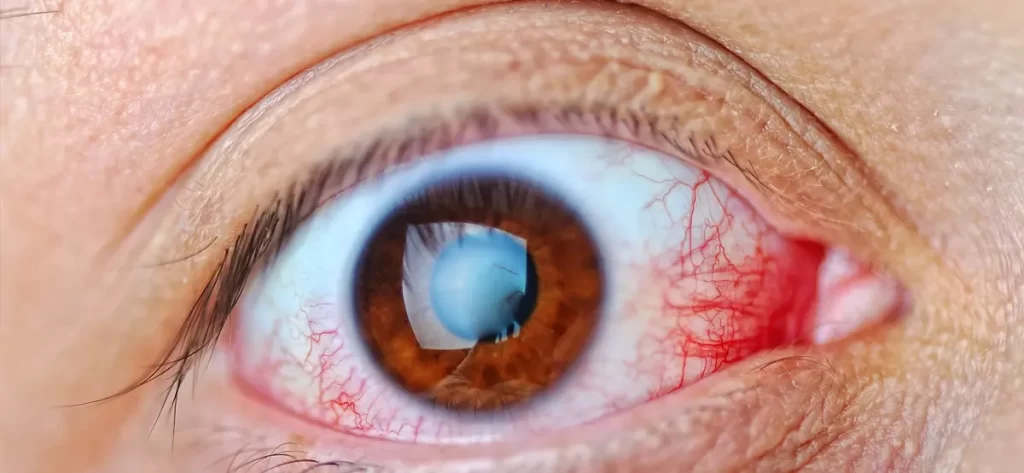
Understanding Sjogren's Syndrome in Ayurveda
In Ayurveda Sjogren’s Syndrome is connected to “Shushka” (dryness) and “Dhatukshaya” (tissue depletion). And, dryness in the lips and eyes indicates an imbalance in Vata or Pitta.
Vata is responsible for dryness and movement, whereas Pitta is in charge of transformation and heat. Similarly, Kapha has a significant role in mucus formation and glandular function.
Symptoms
According to Ayurveda, Sjogren’s syndrome is indicated with dryness throughout the body which is caused by an imbalance of the doshas. The most common symptoms include:
- Shushka Netra (Dry Eyes): This dryness is caused by an intensified Vata dosha, which disrupts the normal flow of tears, which are sustained by Rasa (plasma), Meda (fat), and Majja (bone marrow) dhatus.
- Shushka Mukha (Dry tongue): Vata vitiation can affect saliva production, resulting in a dry tongue and difficulty while speaking or swallowing.
- Shrama (Fatigue): Excessive Vata dosha can deplete Ojas, the essence of tissues, resulting in constant fatigue (Shrama).
- Joint Pain (Shleshaka Kapha): Vata imbalance can also cause discomfort, stiffness, and swelling.
Additional symptoms might involve the following:
- Shushka Gandha (Dry Sinuses): Dryness in the nasal passages can cause severe pain and nosebleeds.
- Vidaagdha Rasa (Burning Sensation): Pitta dosha vitiation along with Vata can cause a burning or gritty sensation in the mouth, throat, or eyes.
- Bala Kshaya (Muscle Weakness): Vata vitiation can also lead to muscular weakness but no swelling.
- Twacha Roga (Skin Rashes) and Yonishta Shleshma Kshaya (Vaginal Dryness): Skin rashes and vaginal dryness can be caused by imbalances in Vata and other doshas, depending on each person.
- Shukra Dushti (Blurred Vision): Vata can also lead to blurred vision by disrupting the eye’s sensitive channels.
Causes
Sjogren’s syndrome, which is also known as Shushkakshipaka in Ayurveda, is the result of a dosha imbalance. Here are several components that may lead to this imbalance:
- Viruddha Aahara (Improper Diet): By frequently consuming dry, processed meals, cold or sour foods, and irregular eating patterns may irritate Vata dosha and cause dryness.
- Atyahaara (Overeating) and Avyayama (Lack of Exercise): An inactive lifestyle can cause Ama (toxins) to accumulate in the body, interrupting natural pathways (Srotas) and preventing healthy nutrition.
- Dinacharya Viruddha (Disrupted Daily Routine): Sleeping throughout the day (Kappa time) and staying awake late at night (Pitta time) can disrupt natural cycles and affect digestion, resulting in severe Vata vitiation.
- Mandagni (Poor Digestion): Poor chronic bloating and excessive gas can result in slow digestive fire (Agni). This can cause Ama formation and hinder the absorption of nutrients that are necessary for healthy tears and saliva.
- Ati Shita (Excessive Cold): Long exposure to cold and dry conditions can irritate the Vata dosha, leading to dryness in the body.
- Manovaha Srotas Dushti (Stress and Depression): Chronic stress and depression, known as Manovaha Srotas Dushti, can disturb the mind-body connection and cause dryness in Vata and Pitta doshas.
- Surapana (Alcohol Consumption): Excessive alcohol intake can disturb the three doshas and might worsen the dryness.
Treatment
Panchakarma plays a significant role in the treatment of Sjogren’s disease because it gives the body sufficient energy and stamina, allowing individuals to perform their regular duties easily.
Some of the most effective therapy for Sjogren’s include:
- Netra Trapani: Netra tarpan refers to the topical application of medicinal oils or ghee for a specific period. Tarpana is beneficial in situations such as Parishuska Netra, Ashru srava rahita netra, and Jivaniya ghrita.
- Pariseka: For Pariseka, first you should combine lukewarm milk with Saindhava lavana. It helps to get relief from dryness and tightness around the eyes and provides a calming effect.
- Netra Anjana: For Netra Anjana, you need to apply a paste made of Saindhavu lavana, Doruharidra, and Haridra. This can help to clear the channels and keep tears and glands flowing normally.
- Nasya karma: Nasya karma can significantly reduce symptoms of Sjogren’s syndrome. As per the conditions described above, it is applied with anu-taila (oil preparation). This treatment is excellent for both the eyes and the dry mouth.
The treatment of Sjogren’s syndrome completely depends on the root cause of the condition. Different people have different underlying causes. But, the first line of therapy is to identify the root cause, whether it is environmental, emotional/psychological, or associated with diet and other diseases. The secondary line of treatment consists of removing the underlying cause and restoring the body’s natural metabolic functioning. In general, around 60-85% of patients recover during the first six months of therapy. The therapy may take from one to two years, during which the patient must adhere to an appropriate diet and lifestyle. The overall improvement rate varies by the patient’s age and the disease’s chronicity.
Conclusion
The Ayurvedic cure for Sjogren’s Syndrome takes a comprehensive approach to treatment. Understanding Sjogren’s syndrome through an Ayurvedic lens allows us to focus on restoring balance within the doshas (Vata, Pitta, Kapha) and dhatus (body tissues). This can help to control symptoms and enhance the overall Swasthya.