What is celiac disease in Ayurveda?
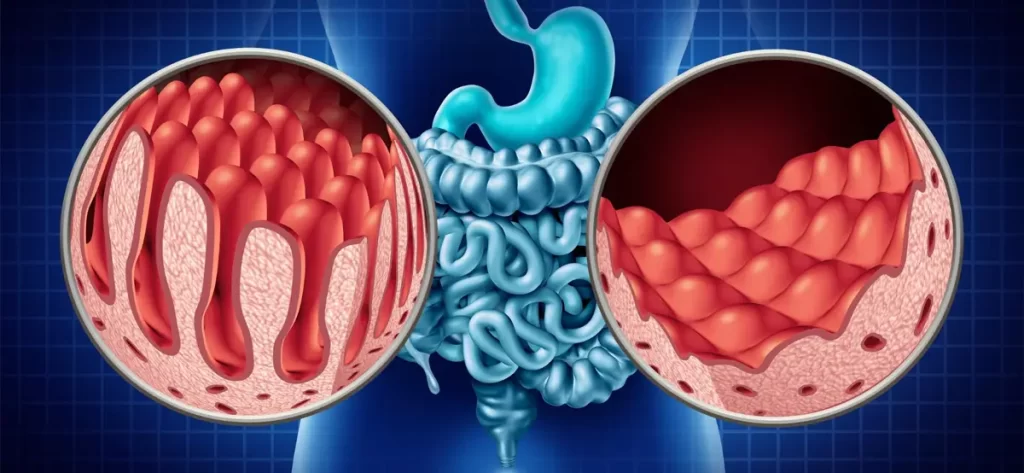
In Ayurveda, our stomach is considered a sacred fire (Agni) that nourishes and digests our food. But sometimes this fire can become unbalanced and result in discomfort like gas, bloating, and sometimes even diarrhoea. And this classic presentation can be termed as Celiac disease In modern medicine, celiac disease is recognised as a digestive disorder. It is a chronic autoimmune disorder characterized by an adverse reaction to gluten. However, in Ayurveda, this condition is viewed from a different perspective. So let’s take a look at how Ayurveda views celiac diseases.
Ayurvedic Perspective on Celiac Disease
According to Ayurveda, Celiac disease can be associated with ‘AnnaVaha Srotas Dushti’, which refers to a ‘Disorder of food transport channels or Gastro-Intestinal Tract’.While there is no direct equivalent to celiac disease in Ayurveda, there’s a concept called Grahani Roga that shares some similarities. This condition develops when our digestive fire (Agni) deteriorates due to a variety of causes.
Some people may be born with a naturally lower immune system (Vyadhikshamatwa) or a body constitution (Prakrti) that makes them more vulnerable to digestive problems. This Prakriti is determined by genetics and it cannot be altered. Our daily habits can have a significant impact on Agni. Consuming unhealthy or unfamiliar foods, particularly those that discomfort the stomach, can all deplete Agni. However, it is interesting to note that individuals who possess Pitta Prakriti (fire nature) may have a strong intestine, whereas those who possess Kapha Prakriti (earth and water nature) may have a naturally weaker Agni.
Symptoms of Celiac Disease
Celiac disease symptoms vary from person to person and can affect the stomach or different parts of the body.
Celiac in kids
Young female children are more likely to have celiac disease and the disease’s digestive symptoms are more common in infants and young children, they may include:
- Abdominal pain
- Abdomen bloating
- Persistent diarrhoea
- Vomiting
- Constipation
- Greasy, smelly, or pale stools
- Loss of weight
- Mood swings
- Lack of focus.
- Rough, brown hair.
- Sunken eyes
Celiac in Adults
Celiac disease symptoms in adults are primarily related to digestive issues and may include one or more of the following:
- Constipation
- Diarrhoea
- Fatigue
- Weight loss.
- Heartburn
- Bloating and Gas
- Nausea and vomiting.
- Abdominal pain and swelling.
Other symptoms in adults include:
- Anaemia
- Joint pain
- Reduced bone density
- Headache
- Skin rashes
- Mouth ulcer
- Spleen disorder
- Numbness of hands

Celiac Disease Causes
As per Ayurveda, the following factors are linked to celiac disease:
Nutritional Components
Incompatible food consumption (Viruddha Ahara) and gluten-containing grains, such as barley, wheat, and rye can be a root cause and can exacerbate the condition for people with weak digestive function.
Dosha Imbalance
Dosha imbalances such as Vata, Pitta, and Kapha can play a significant role in disease development. Vata and Pitta imbalances are common in celiac disease. Vata causes bloating and irregular bowel movements, whereas Pitta promotes inflammation and irritation in the gut.
Agni dysfunction
Impaired Agni is a critical factor. When the Agni is weak, the food is not digested, resulting in an accumulation of Ama that clogs the (Srotas) and impairs nutrient absorption.
Ayurvedic Herbs for Treating Celiac Disease
According to Ayurveda, the following Ayurvedic herbs have been time-tested and found to be useful in the treatment of celiac disease.
- Giloy (Tinospora Cordifolia)
Giloy has been used for centuries and is a highly effective ayurvedic herb for strengthening the immune system so that it can fight infections. As a result, this Ayurvedic medicine strengthens the body, raises macrophage activity, and fosters immunity to a variety of infections.
- Kutki (Picororhiza Kurroa)
Kutki is one of the top-rated ayurvedic herbs for treating a variety of health issues. Similarly, its hepatoprotective properties can help ease your liver problems.
- Vidang (Embelia ribes)
A popular ayurvedic herb called vidang strengthens the immune system’s and defenses against foreign invaders. Additionally, this herb can help to increase your overall particle digestion efficiency. Your digestive system may weaken to an extreme degree if you have celiac disease. It’s because your body is unable to fully absorb the nutrients that are present in food. However, this herb makes it easier for you to absorb nutrients, which improves digestion in general.
Dry Ginger
Dry ginger is valued for its versatility in treating various medical conditions. When it comes to digesting food, dry ginger plays a significant role and enhances the absorption of nutrients. It is especially suitable for patients who are struggling to digest gluten.
Managing Celiac Disease through Ayurvedic Treatment
While celiac disease cannot be completely cured, Ayurvedic treatments aim to improve Vyadhikshamatwa (immunity) and Agni (strength) and eliminate srotorodha (blockages). On the other hand, internal medicines are also provided to aid in the healing of the intestinal lining.
Additional therapies like medicated ghee intake (snehan), steam baths, and Shirodhara therapies are included. Apart from these Purgation therapy (virechana), nasal medicine (nasya), enema therapy (vasti) and Rasayana therapy are also given to boost overall immunity.
- Diet
Avoid gluten-containing foods like rye, barley, and wheat. Incorporate maize, rice, nuts, fruits, vegetables, and tubers into your diet instead.
- Exercise
Frequent exercise strengthens immunity and helps to maintain the intestinal lining. On the other hand, you can include immune system-strengthening techniques like yoga, meditation, and pranayama in your daily routine.
- Detoxification Therapies
Detoxification treatments in Ayurveda are intended to eliminate toxins and restore equilibrium to your body’s doshas, or natural energy systems. One particular therapy called Basic uses enemas to clean the colon and balance the Vata, the energy that controls the body’s movement and excretion. By eliminating toxins and reestablishing your body’s equilibrium, these treatments aim to improve your quality of life.
Conclusion
In Ayurveda, the management of celiac disease emphasizes personalized treatment that is tailored to each individual’s Prakriti (constitution) and specific imbalances. It takes a holistic approach to treating the underlying doshic imbalances and underlying causes of celiac disease. Thus, Ayurveda tries to balance the doshas, restore Agni (digestive fire), and enhance overall well-being through altering lifestyle choices, herbal remedies, and Panchakarma therapies.