Is there a cure for IgAN in Ayurveda?
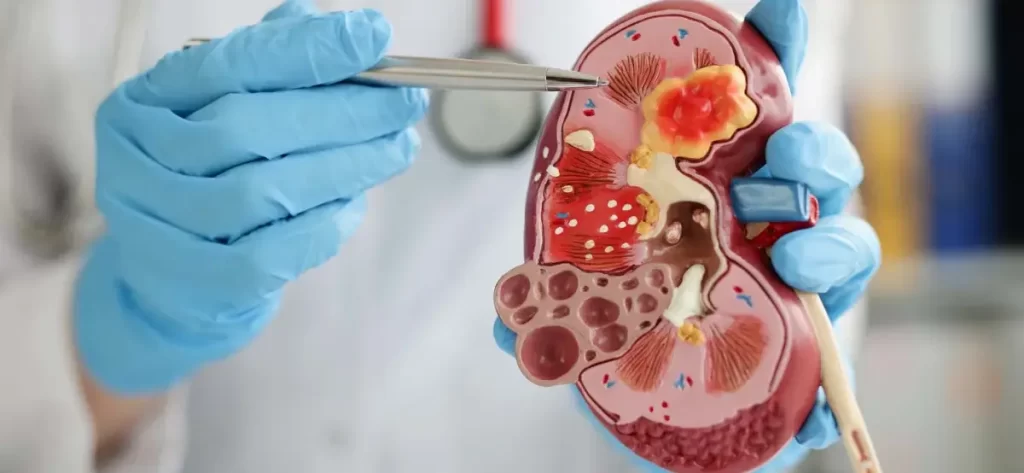
Yes. IgA nephropathy can be cured with Ayurveda. But initially, let’s understand what IgA nephropathy is.IgA nephropathy is also known as Berger’s disease, which is primarily associated with kidney impairment. The kidney, whose main function is to perform blood filtration and handle blood pressure within the body, is impaired. An impairment in this function leads to the invasion of viruses/bacteria.
Our immune system forms antibodies- immunoglobulin A (IgA) to prevent the body from invading viruses and bacteria. It helps combat infections, but severe complications occur when it accumulates in the kidneys and in tiny blood channels that serve as filters. This accumulation of IgA in the kidneys is known as IgA nephropathy.Now, let us understand how Ayurveda sees this as a disease.

Ayurvedic understanding of IgA nephropathy
In Ayurveda, IgAN is understood as an imbalance within the framework of doshas and their impact on the kidneys.
- Dosha imbalance: Three primary energies, or doshas, are considered to be in harmony in Ayurveda: vata, pitta, and kapha. An imbalance in these doshas can cause several diseases, including kidney-related ones. IgAN may be interpreted as a sign of an imbalance in Pitta dosha, in which the kidneys are impacted by inflammation and heat (Pitta characteristics).
- Agni (digestive fire) impairment: Ayurveda states that toxins (ama) may accumulate in the body as a result of poor digestion (agni). Toxins can spread and accumulate in other parts of the body, including the kidneys, causing damage and inflammation. Thus, compromised agni may contribute to an accumulation of toxins that alter kidney function and cause IgAN.
3. Dhatu (tissue) involvement: In Ayurveda, the kidneys are seen as a part of the Shukra dhatu, or immunity. Over time, imbalances in the dhatus (prior tissues) such as Rakta (blood) and Rasa (plasma) might affect kidney function and possibly aggravate diseases like IgAN.
- The first dhatu, Rasa, nourishes all other tissues, which come from digested food and fluids. Improperly digested substances (ama) can arise from any imbalance in digestion (agni), circulate throughout the body, and impact the ensuing dhatus.
- Blood, or rakta dhatu, is essential for carrying nutrients and preserving general health. Toxins (ama), which degrade Rakta dhatu’s quality, can arise from imbalances in Rasa dhatu. Over time, impaired Rakta dhatu can impact kidney function and be a contributing factor to inflammatory diseases.
- The mutravaha sroto vikrithi, which is in charge of maintaining fluid balance and excreting urine, is thought to include the kidneys. According to Ayurveda, kidney disorders such as IgAN are caused by a build-up of toxins and a protracted imbalance that affects Shukra dhatu. Kidney tissue injury and inflammation are two possible manifestations of this imbalance.
In short, Ayurveda’s understanding of the treatment of IgAN has to start with balancing doshas and improving the functions of affected dhatus.

Treatment of IgAN in Ayurveda
Rather than addressing individual disorders, Ayurveda focuses on restoring balance to promote total health. As a result, a holistic approach to treatment would be taken, with the goals being to improve the body’s inherent ability to heal as well as to rebalance the doshas in addition to symptom relief.
It aims to balance doshas and dhatus in the body to reduce inflammation, support kidney functions, and promote overall health.
1. Dietary modifications: Ayurveda views nutrition as the primary determinant of health and emphasises this point heavily. The goal of dietary guidelines is to restore the balance between agitated doshas, especially Pitta dosha, which is linked to inflammation. Usually, this includes:
- Avoid processed, hot, and salty foods.
- Focusing on organic, fresh produce.
- Incorporating whole grains such as quinoa and barley.
- Consuming less protein, particularly from animal sources.
2. Consumption of herbs: Several herbal medicines are used in Ayurveda to support kidney function and treat diseases such as IgA nephropathy (IgAN). The nephroprotective, anti-inflammatory, and detoxifying qualities of these herbs led to their selection. The following list of plants is typical Ayurvedic use for IgAN:
- Punarnava (Boerhavia diffusa): It is consumed for its diuretic properties and its ability to support kidney functions. It helps with fluid retention, promotes urine expulsion, and reduces inflammation in the kidneys.
- Gokshura (Tribulus terrestris): It is consumed for its diuretic and rejuvenating properties. It promotes urinary tract health, maintains kidney functions, and has anti-inflammatory effects that are beneficial for IgAN.
- Varuna (Crataeva nurvala): It is used for its anti-inflammatory and diuretic properties and helps in reducing kidney inflammation. It also helps in improving urinary function.
- Shilajit: (L. Asphaltum): It is a mineral-rich substance known for its rejuvenating properties. It helps in cellular detoxification, supports kidney functions, and aids in reducing oxidative stress within the kidneys.
- Daruharidra (Berberis aristata): Known for its anti-inflammatory and antioxidant properties, it helps promote kidney health, reduces inflammation, and manages urinary disorders.
3. Lifestyle Modifications: It is advised to practice stress reduction, get enough sleep, and engage in moderate exercise to enhance immune system performance and general well-being. It’s also encouraged to abstain from alcohol and tobacco.
4. Panchakarma Therapy: This is an individualised treatment tailored to an individual’s constitution (Prakriti), current health condition, and severity of IgAN. It aims to balance doshas, eliminate toxins, and promote the overall health of an individual. The steps included in Panchakarma for IgAN are listed below.
- Vamana (Therapeutic Emesis): Vamana is a cleansing therapy that is mostly used to remove excess mucus and toxins from the stomach and upper respiratory tract, as well as to balance the Kapha dosha.It can be carefully taken into consideration in IgAN to help remove toxins and enhance digestion, which will lessen the strain on the kidneys.
- Virechana (Purgation Therapy): It involves the use of a purgative substance to eliminate excess Pitta dosha and toxins from the intestines and liver.It helps in detoxifying the body, improving cellular metabolism, and reducing inflammation, which benefits individuals with IgAN.
- Basti (Enema Therapy): It involves the administration of medicated enemas that particularly balance Vata dosha. This promotes healthy elimination and nourishment of the tissues.
- Nasya (Nasal Therapy): It involves the administration of medicated substances into nasal passages and helps in clarifying sinuses, improving respiratory functions, and balancing doshas. While it targets only the upper body, it indirectly supports overall detoxification and immune function.
- Raktamokshana (Bloodletting Therapy): It is the ultimate purification of blood that eliminates toxins that may be circulating in the blood.
5. Yoga and Meditation: Practices like pranayama (breathing exercises), yoga asanas (postures), and meditation can improve circulation, lower stress levels, and advance general wellness.
In Ayurveda, tailored treatment regimens based on the patient’s distinct constitution (Prakriti) and particular imbalances are crucial for achieving the best outcomes. This not only frees one from the existing disorder but also eliminates the chances of a comeback in later life if the lifestyle is well maintained.