Understanding IgA Nephropathy (IgAN) according to Ayurveda
With an emphasis on health and wellness, Ayurveda is an age-old natural healing system with roots in India. This innovative method focuses on the healthy balance of the three doshas, or energy centres: Vata, Pitta, and Kapha. This holistic approach extends to treating kidney disorders such as IgA nephropathy (IgAN), also known as Berger’s disease in modern medicine.IgA nephropathy is caused by the accumulation of immunoglobulins leading to inflammation and impaired kidney function.In Ayurveda kidneys are referred to as “Vrukka,” and they have a strong relationship with digestive health and lifestyle choices. In this post, we will examine IgA Nephropathy (IgAN) from an Ayurvedic perspective and learn about its causes, symptoms and Ayurvedic treatment methods for IgA nephropathy.
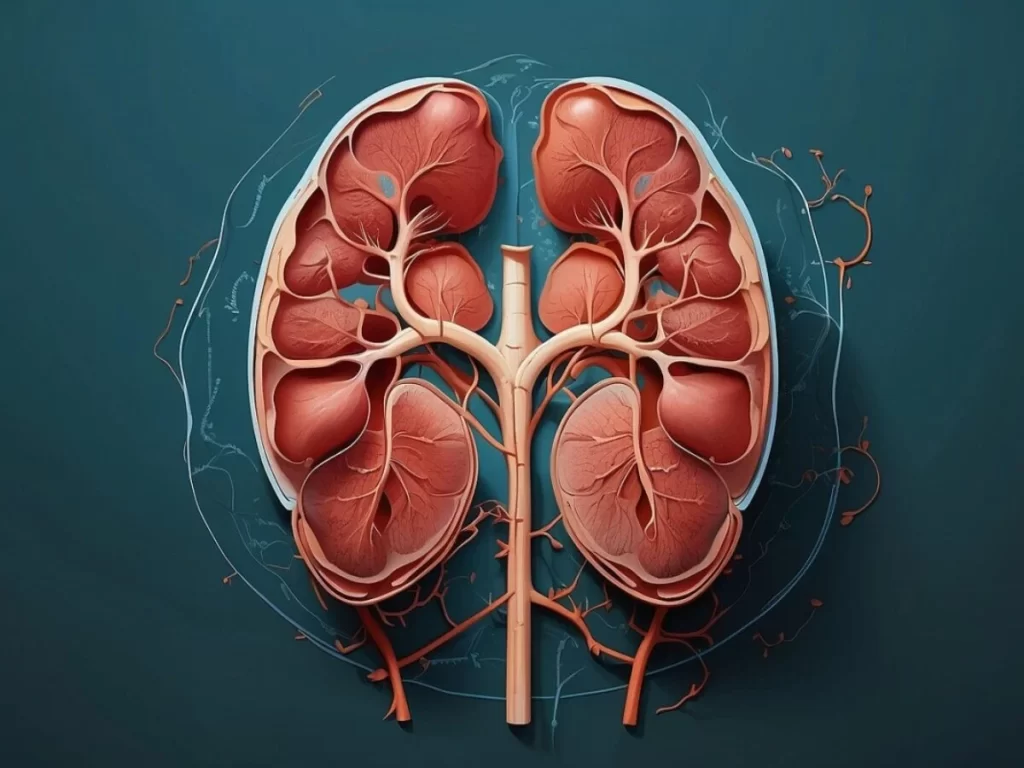
What is IgA Nephropathy?
IgA Nephropathy is also referred to as Berger’s Disease. In this condition, a protein known as immunoglobulin A (IgA) deposits in the glomeruli, which are tiny filters within the kidneys. This development impairs the kidneys’ ability to filter blood, leading to inflammation and can result in chronic kidney disease. The kidneys are essential for our health because they filter our blood. Protein is a vital building block for the human body, helping to strengthen and heal bones and muscles. IgA is a type of protein and antibody that aids in the fight against external diseases, acting as a protective mechanism against serious illness. However, when IgA accumulates in the kidneys, it can impair their function and lead to serious consequences such as chronic kidney disease and, potentially lead to kidney failure.
Ayurveda’s Perspective on IgA Nephropathy
In Ayurveda, kidneys are referred to as Vrukka, the organs that prevent diseases. According to Ayurvedic principles, IgA nephropathy frequently begins with digestive problems caused by habits such as poor diet, eating too much or too little, and distracted eating (such as reading or watching TV).
Furthermore, repeated respiratory system disorders and poor management of health conditions can put additional strain on the kidneys. Thus, when the kidneys become overloaded, it causes a variety of health problems, including bleeding and swelling.
Signs and Symptoms of IgA Nephropathy
In the early stages, IgA nephropathy develops silently, with no obvious symptoms. However, it is critical to detect subtle signs and symptoms through regular monitoring, in accordance with Ayurvedic principles that emphasise maintaining the doshas for good health. Ayurveda lists the following as typical indications and symptoms of IgA nephropathy:
- Blood in Urine (Microscopic Hematuria): This condition indicates a possible blood and urinary system imbalance by sporadically turning the urine a reddish or brownish colour.
- Back or Side Aches: Lower back or side pain may be a sign of a disruption in the Vata dosha, which safeguards the structural and functional integrity of the kidneys and urinary tract.
- Protein in Urine (Proteinuria): When proteins leak into urine, they can cause a foamy or bubbly appearance, indicating problems with kidney function and tissue metabolism (dhatus).
- Swelling (Edema): Swelling in the legs, feet, or ankles due to fluid retention can be a reflection of imbalances in Pitta dosha that impact kidney filtration and fluid regulation in general.
- Hypertension or High Pulse Rate: High blood pressure can cause imbalances in the Pitta and Vata doshas, affecting both cardiovascular and kidney health.
Causes of IgA Nephropathy
IgA nephropathy or Berger’s disease can occur due to genetic factors, which means that some people inherit defective genes that can be passed down to future generations even if the person exhibits no symptoms. However, men have a higher risk of developing this condition.
Several factors may contribute to IgA accumulation in the kidneys:
- Genes: This disorder is more prevalent in some families and ethnic groups and is frequently passed down through families.
- Liver Diseases: Certain liver diseases, such as cirrhosis and hepatitis B and C infections, can lead to IgA nephropathy.
- Celiac Disease: A digestive disorder caused by consuming gluten, a protein found in grains.
- Infections: Certain infections like HIV along with some bacterial infections can contribute to IgA Nephropathy.

Treating IgA Nephropathy (IgAN)
Ayurveda provides a holistic approach to managing IgA nephropathy by addressing digestive disorders, respiratory issues, and overall lifestyle. This approach incorporates dietary changes, herbal medications, and external therapies. However, a well-balanced diet is important. Patients are advised to avoid processed and junk foods. Focus on eating fresh fruits and vegetables, including whole grains, follow regular meal times, avoid overeating and eat mindfully without any distractions. In Ayurveda, several herbal medications support kidney functioning and reduce inflammation.
- Chandraprabha Vati: A traditional Ayurvedic remedy that enhances kidney function and urinary health.
- Punarnava: Known for its diuretic and anti-inflammatory qualities, Punarnava helps in reducing swelling.
- Varun: To maintain urinary tract health and reduce kidney inflammation.
- Gokshura: To bring down urinary discomfort and improve overall kidney health
However, it is important to understand the physical and mental condition of patients in order to gain a deeper understanding of the underlying causes of disorders as well as the subtle factors that contribute to disease. This close evaluation is important for an effective treatment. IgA nephropathy requires 60 to 90 days of intensive treatment, along with herbal medication for six months to a year. In severe cases, hospitalization for two to three months may be required. During this time, patients receive Ayurvedic external therapies and are closely monitored. Additionally, herbal medications in the form of powders and tablets are provided to aid in kidney recovery.
Summing Up
IgA nephropathy is a serious condition and if not treated it can impair the overall kidney functioning. Ayurveda offers a natural and holistic solution by focusing on the underlying causes, such as digestive disorders and lifestyle factors. In addition, maintaining a balanced diet, herbal medication and external therapies can help to improve kidney functioning and address the underlying issues.
However, early diagnosis and prompt Ayurvedic treatment can prevent severe complications and help in maintaining a good quality of life. By adhering to Ayurvedic principles along with a healthy lifestyle, individuals can manage IgA nephropathy effectively and improve their overall health and well-being.